
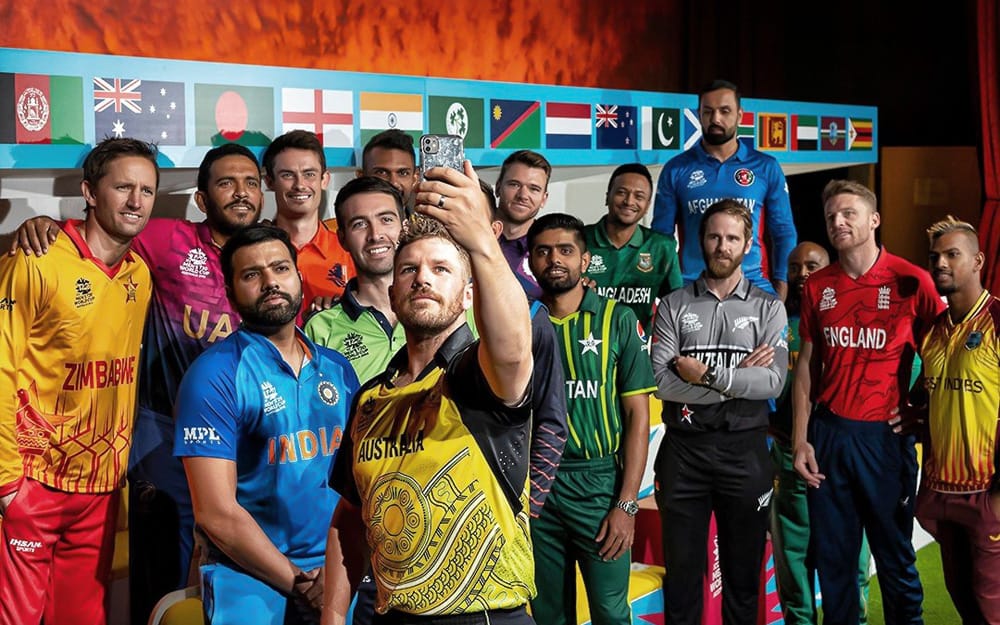
Cricket has always been more than just a sport — it’s an emotion, a tradition, and a way of life for millions. But over the past two decades, this gentleman’s game has undergone a dramatic transformation. The reason? The T20 format.
What started as an experimental idea to make cricket faster and more entertaining has now turned into a global phenomenon. From the bright lights of packed stadiums to thrilling finishes that keep fans on edge, T20 cricket has reshaped how the game is played, watched, and even understood.
The Birth of T20: A Revolution in Cricket
When the Twenty20 (T20) format was introduced in the early 2000s, traditionalists were skeptical. How could a game that used to last five days (Test cricket) or at least one full day (ODIs) be squeezed into just three hours?
But that was exactly the point — T20 was built for a new generation. A generation that loved fast-paced entertainment, instant results, and dramatic moments.
The format’s short duration, colorful atmosphere, and aggressive style of play immediately caught attention. What many thought would be a passing experiment quickly became the most popular format in world cricket.
Fast, Fearless, and Full of Drama
In T20 cricket, every ball counts. There’s no room for hesitation, no time for slow starts. Batsmen swing hard from the first over, bowlers mix creativity with precision, and fielders dive around like never before.
Unlike Test or ODI cricket, T20 is not about patience — it’s about power and performance under pressure.
- Batsmen are expected to score fast, often using innovative shots like the reverse sweep, ramp, or switch hit.
- Bowlers rely on variations — slower balls, yorkers, knuckleballs, and unexpected bouncers.
- Captains must think on their feet, constantly adapting strategies to outsmart opponents.
This high-speed format has turned cricket into a spectacle — one that appeals not just to traditional fans, but to anyone who loves excitement and unpredictability.
The Rise of Entertainment and Global Appeal
Before T20, cricket had a reputation for being slow and time-consuming. But with this format, everything changed. Cricket became entertainment.
T20 matches are short, vibrant, and packed with music, lights, and energy. The atmosphere in the stadium is closer to a concert than a sporting event.
This entertainment-driven experience attracted younger audiences, families, and even casual viewers who might never have watched a Test match. It made cricket accessible and enjoyable for everyone, breaking barriers across countries and cultures.
The global T20 leagues that followed — from India to Australia, the Caribbean to the UK — brought together players from around the world. Fans now cheer not just for national teams, but also for franchises filled with international stars. It’s cricket’s answer to football’s global club culture.
How T20 Transformed Players and Techniques
T20 didn’t just change the rules — it changed the cricketers themselves. The modern player is fitter, faster, and far more versatile than ever before.
Batsmen learned to innovate constantly. Gone are the days when a score of 150 was considered safe. Now, teams regularly post 200+ runs in just 20 overs. Players like to clear the ropes with ease, and even lower-order batsmen are expected to hit boundaries when needed.
Bowlers, too, had to evolve. In a format that favors batting, they’ve learned to use deception rather than sheer pace. Clever bowling strategies, precise execution, and mental toughness are now essential.
Fielding standards have also skyrocketed. Every run saved, every catch taken can decide the match. Agile athletes and split-second reflexes are now the norm, not the exception.
The Economic Boom: T20 as a Business Powerhouse
Beyond sport, T20 cricket became a billion-dollar business. The short format made it perfect for prime-time television and sponsorship. Advertising revenues skyrocketed, and leagues became lucrative entertainment properties.
Franchise-based tournaments brought financial stability to players and gave opportunities to young talent who might not have made it through traditional national setups. It democratized the sport — skill and performance began to matter more than legacy or seniority.
For fans, T20 made cricket more accessible. Affordable tickets, engaging fan experiences, and digital broadcasts turned it into a truly global entertainment industry.
Critics vs. Modern Fans: The Ongoing Debate
Not everyone welcomed the T20 revolution. Purists argued that it diluted the essence of cricket — a sport once known for patience, strategy, and subtlety. They feared that Test cricket, the game’s oldest and purest form, would fade away.
And yet, the numbers tell a different story. Instead of killing traditional cricket, T20 brought millions of new fans to the sport. It became the gateway — people who started with T20 soon developed an appreciation for ODIs and Tests.
In fact, T20’s success has indirectly revived interest in all formats. Test matches now feature more aggressive play, faster scoring, and results-oriented strategies inspired by the T20 mindset.
The Cultural Impact: Cricket Becomes a Global Language
Cricket was once dominated by a few nations. Today, thanks to the T20 format, it’s spreading faster than ever. Countries like Afghanistan, Ireland, Nepal, and the USA are making headlines in international tournaments.
This format gives smaller nations a chance to compete and win against giants, creating unforgettable underdog stories. The global reach of T20 is making cricket a truly international sport, capable of rivaling football in its fanbase and influence.
The Future of Cricket: Blending Tradition with Innovation
As technology evolves, T20 will continue to lead cricket’s transformation. From AI-driven analytics to smart stadium experiences and immersive broadcasts, the future of cricket looks even more thrilling.
But amidst all this change, the heart of the game remains the same — the passion of the fans, the spirit of competition, and the joy of every boundary, wicket, and victory.
The introduction of T20 cricket didn’t just shorten the game — it redefined it. It turned cricket into a high-energy, global entertainment experience that connects cultures and generations.
From boosting athleticism and innovation to driving economic growth and international appeal, T20 has become the heartbeat of modern cricket.While the debate between tradition and modernity continues, one thing is certain — T20 has changed cricket forever, and the game will never be the same again.
Also Read: App-titude Matters: Exploring the Smartest Tech for Daily Life


