
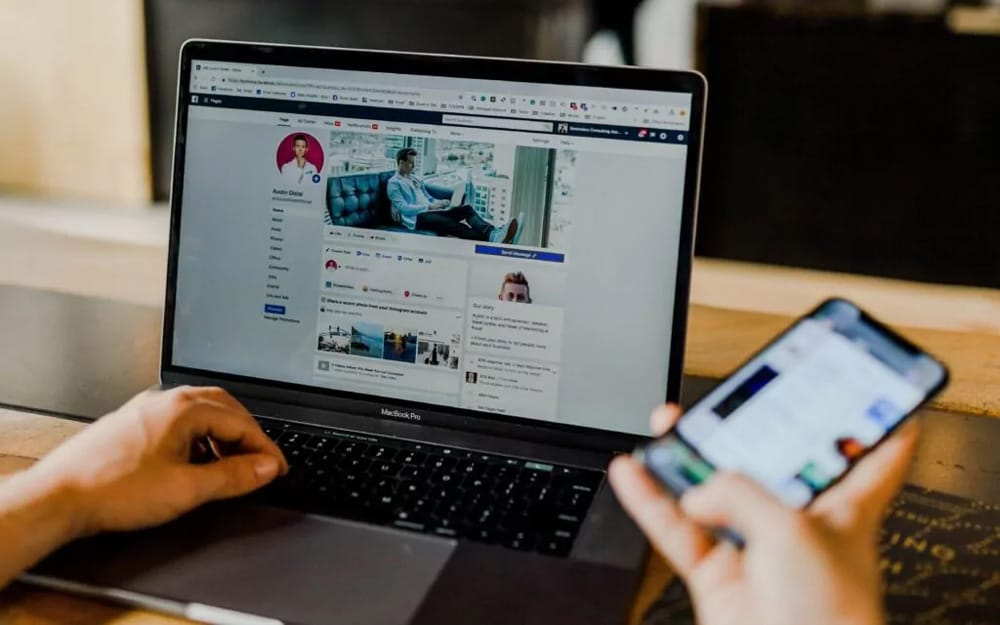
The way people work has transformed dramatically over the past few decades. What once required physical offices, paperwork, and face-to-face meetings can now be done from almost anywhere with an internet connection. From remote jobs to instant communication, the internet has completely reshaped modern workplaces. It has made work faster, more flexible, and more connected than ever before.
The Rise of Remote Work
One of the biggest changes brought by the internet is the growth of remote work. Earlier, most employees had to travel daily to offices to complete their tasks. Now, many professionals work from home, cafés, or even while traveling.
With tools like video calls, cloud storage, and project management platforms, teams can collaborate smoothly without being in the same room. This flexibility has improved work-life balance for many people. Employees save time on commuting, and businesses can hire talent from different cities or even different countries.
Remote work has also opened doors for freelancers and independent professionals. People can now offer their skills online and work with clients globally, something that was very difficult before the internet became widespread.
Faster and Easier Communication
Communication at work used to rely heavily on phone calls and in-person meetings. The internet has made communication instant and much more efficient. Emails, messaging apps, and video conferencing allow teams to connect within seconds.
This speed has improved productivity across industries. Decisions can be made quickly, problems can be solved faster, and teams can stay updated in real time. Even large organizations with offices in different locations can operate smoothly because of online communication tools.
However, this constant connectivity also means employees must manage notifications and avoid digital overload. Finding the right balance is now an important workplace skill.
Access to Unlimited Information
The internet has turned the workplace into a knowledge-rich environment. Earlier, employees depended on physical manuals, training sessions, or senior staff for information. Now, almost any work-related knowledge is just a quick search away.
Online tutorials, webinars, and digital courses have made learning continuous and accessible. Employees can upgrade their skills whenever needed, which helps them stay competitive in their careers. Businesses also benefit because well-informed employees make better decisions and work more efficiently.
This easy access to information has encouraged innovation. Workers can research trends, study competitors, and discover new ideas much faster than before.
The Growth of Digital Tools and Automation
Modern work depends heavily on digital tools. From accounting software to customer relationship management systems, the internet has enabled powerful platforms that simplify complex tasks.
Automation is another major shift. Many repetitive jobs that once took hours can now be completed in minutes using automated systems. For example:
- Data entry can be automated
- Reports can be generated instantly
- Customer queries can be handled by chatbots
This does not mean jobs are disappearing completely. Instead, the nature of work is changing. Employees are now focusing more on creative thinking, strategy, and problem-solving rather than routine manual tasks.
Global Collaboration and Opportunities
The internet has removed geographical barriers in the professional world. Companies are no longer limited to hiring locally. They can build global teams and work across time zones.
This global connectivity has created many opportunities:
- Businesses can expand into new markets
- Professionals can work with international clients
- Startups can scale faster than ever
Freelancing platforms and remote job boards have made it easier for skilled workers to find opportunities worldwide. As a result, competition has increased, but so have the chances to grow professionally.
The Shift Toward Flexible Work Culture
Traditional work culture focused on fixed hours and strict office presence. The internet has helped shift the focus toward results rather than location or rigid schedules.
Many companies now offer flexible working hours, hybrid models, and performance-based evaluations. Employees appreciate this freedom because it allows them to manage personal responsibilities along with professional goals.
This shift has also improved employee satisfaction and retention in many organizations. When people feel trusted and empowered, they tend to perform better.
Challenges That Came With Digital Work
While the internet has brought many advantages, it has also introduced new challenges. Cybersecurity risks, data privacy concerns, and online distractions are now common workplace issues.
Some employees also struggle with isolation while working remotely. Without regular in-person interaction, maintaining team bonding and workplace culture can be difficult.
Additionally, the line between work and personal life has become blurred. Many professionals find it hard to “switch off” after work hours because digital communication never truly stops.
To handle these challenges, organizations are now focusing on digital wellness, secure systems, and better remote team management practices.
What the Future of Work Looks Like
The influence of the internet on work will only grow stronger. Emerging technologies like artificial intelligence, cloud computing, and virtual collaboration tools will continue to reshape how people work.
In the coming years, we can expect:
- More remote and hybrid jobs
- Greater use of automation
- Increased demand for digital skills
- Smarter virtual collaboration environments
Professionals who adapt to these changes and keep learning new skills will have the biggest advantage.
Final Thoughts
The internet has completely transformed the way people work. It has created flexibility, improved communication, and opened global opportunities that were once unimaginable. While challenges exist, the benefits far outweigh the drawbacks.
Work is no longer defined by a physical office. It is defined by connectivity, skills, and adaptability. Those who embrace this digital shift are better prepared for the future of modern work.
Also Read: The Importance of Mobile-First Design in Today’s Digital Landscape


