
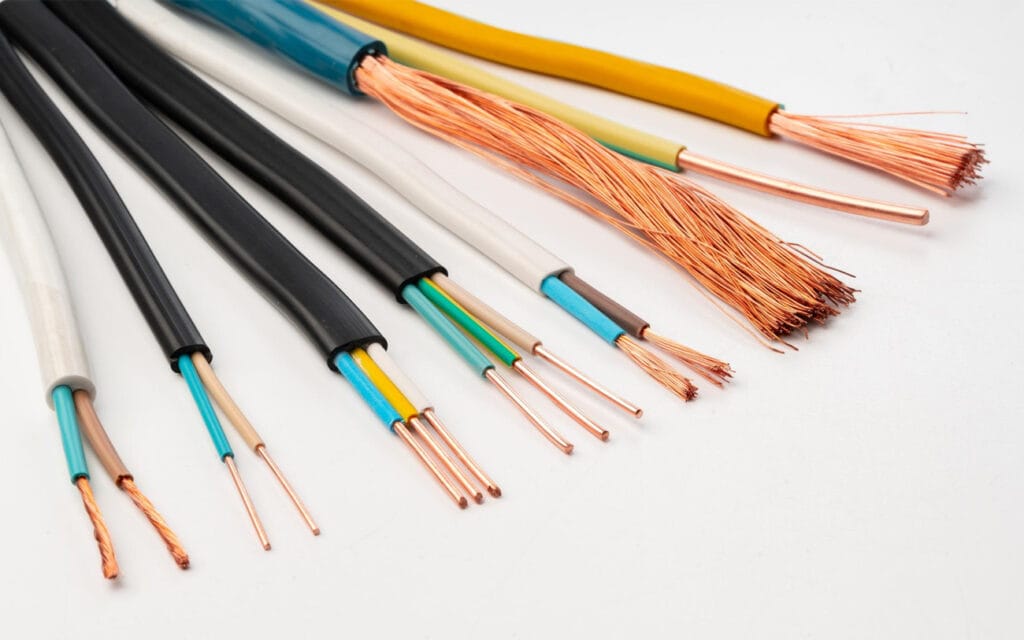
Selecting the right coaxial cables manufacturer for industrial applications is not just a purchasing decision—it’s a long-term investment in performance, reliability, and operational safety. Industrial setups rely heavily on stable data transmission, signal integrity, and durable cable construction. A minor compromise in cable quality can lead to equipment failure, communication breakdowns, and costly downtime.
This is why choosing a trusted manufacturer matters. Whether your requirements involve surveillance networks, broadcasting systems, automation controls, or RF signal transmission, understanding what to evaluate in a manufacturer can help you avoid expensive mistakes and guarantee dependable performance.
Let’s break down the essential factors that define a reliable partner for your industrial cable needs.
1. Material Quality and Construction Standards
Coaxial cables are only as good as the materials used to build them. Industrial environments demand cables that can handle heat, moisture, friction, bending, and long operational hours.
A dependable coaxial cables manufacturer should offer cables made with:
- High-purity copper conductors for minimal signal loss
- Durable dielectric insulation for consistent performance
- Strong shielding layers that protect against electromagnetic interference
- High-quality jackets suitable for tough environments
Materials directly impact how well the cable can transmit signals, how long it will last, and how it performs under stress. If a manufacturer uses cheaper substitutes or inconsistent materials, performance issues will show up quickly in industrial settings.
2. Compliance With Industry Standards
Industrial-grade cables should meet specific national and international quality benchmarks. These standards ensure uniform performance, safe operation, and compatibility with various systems.
Look for manufacturers that follow standards such as:
- ISO quality certifications
- RoHS compliance
- Fire-resistant or flame-retardant standards
- Safety and electrical performance certifications
A certified CCTV cable manufacturer or coaxial cable supplier demonstrates commitment to quality and reliability. Compliance also reassures you that the cables can withstand the demanding conditions of industrial use without unexpected failures.
3. Customization Capabilities
Industries often need cables that fit their unique project requirements—different lengths, shielding types, connector formats, or jacket materials. This is where customization matters.
A capable coaxial cables manufacturer should be able to:
- Modify shielding levels (single, double, or tri-shield)
- Provide custom lengths according to your layout
- Offer different dielectric insulation materials
- Adjust cable construction for indoor or outdoor usage
- Provide specialized solutions for surveillance, broadcasting, or telecom
A manufacturer that can adapt its product to your exact needs will help you achieve optimal performance and reduce installation issues.
4. Understanding Industrial Applications
Industrial use is far different from home or small office use. Machines operate continuously, systems require stable signaling, and any failure can lead to major disruptions.
Choose a manufacturer that understands the demands of industrial environments, such as:
- Electrical interference
- Long cable runs
- Harsh weather exposure
- Mechanical abrasion
- High-temperature zones
A knowledgeable CCTV cable manufacturer or coaxial cable supplier will guide you toward products that match your operating conditions. Their expertise ensures that the cables you select will perform consistently in your environment.
5. Testing and Quality Control
A high-quality coaxial cable goes through multiple rounds of testing before it reaches you. Consistent testing helps identify defects early and ensures that every batch matches the required standards.
Manufacturers should conduct tests such as:
- Signal attenuation tests
- Shielding effectiveness tests
- Impedance consistency checks
- High-voltage resistance tests
- Weather and UV exposure testing
When a manufacturer invests in robust quality control, it shows commitment to long-term performance and customer trust.
6. Durability and Longevity
Industrial cables face harsh conditions—frequent bending, constant vibrations, heat exposure, and sometimes chemical contact. This makes durability one of the most important factors to consider.
A reliable coaxial cable should offer:
- High tensile strength
- Superior insulation durability
- Corrosion-resistant materials
- Flexible but strong outer jackets
Choosing a manufacturer that prioritizes longevity ensures that your cables won’t degrade prematurely, preventing unnecessary replacement costs.
7. Technical Support and Product Guidance
A professional coaxial cables manufacturer doesn’t just sell cables—they support you through the entire selection process. Technical guidance plays a vital role, especially for large industrial installations.
Good manufacturers provide:
- Expert recommendations based on your application
- Detailed product documentation and specifications
- Installation guidelines
- Troubleshooting help
This support ensures smooth installation, prevents compatibility issues, and reduces expensive delays.
8. Reputation and Industry Experience
Experience speaks volumes. A manufacturer with years of industry expertise has likely dealt with a wide range of industrial needs, challenges, and technical demands.
Before choosing, look for:
- Customer reviews
- Project history
- Industry presence
- Testimonials
- Product portfolio
A seasoned manufacturer understands what works, what doesn’t, and how to deliver cables that stand the test of time.
9. Pricing Transparency and Value
While pricing is always a factor, the cheapest option is rarely the best for industrial use. Poor-quality cables tend to fail faster, leading to greater long-term costs.
Instead, focus on value, not just price.
A trustworthy manufacturer offers:
- Transparent pricing
- Competitive rates without compromising quality
- Clear details on cable specifications
- Value packs for bulk orders
Balancing cost and performance helps you make a smart, long-term investment.
Finding the right coaxial cables manufacturer for industrial projects is not something to rush. Industrial environments depend on consistent signal flow, durable construction, and high reliability—qualities that only a skillful and experienced manufacturer can provide.
By evaluating material quality, certifications, customization options, testing processes, durability, and technical expertise, you ensure that you’re partnering with a supplier who understands the unique demands of industrial operations. The same applies when choosing a CCTV cable manufacturer, as surveillance systems are equally sensitive to signal quality and performance.
When you select a manufacturer who meets the right criteria, you’re not just purchasing cables—you’re securing stable performance, operational safety, and long-term efficiency for your entire system.


